

Recent trends indicate a significant shift in public sentiment towards Tesla, suggesting that the company’s once-dominant position in the electric vehicle (EV) market is weakening. A Yahoo News/YouGov survey has revealed that 67% of Americans now express reluctance to purchase or lease a Tesla vehicle. This marks a notable change from previous years when Tesla enjoyed a more favorable reputation among consumers.
Factors driving this change in attitude appear to be multi-faceted. A growing awareness of various issues surrounding Tesla, including quality concerns and production delays, has played a part. Reports of software glitches and manufacturing quality problems have made potential buyers hesitant. This dissatisfaction is reflected in conversations around Tesla’s reputation for reliability.
- Quality Issues: Many consumers have shared experiences of unexpected issues, affecting their confidence in the brand.
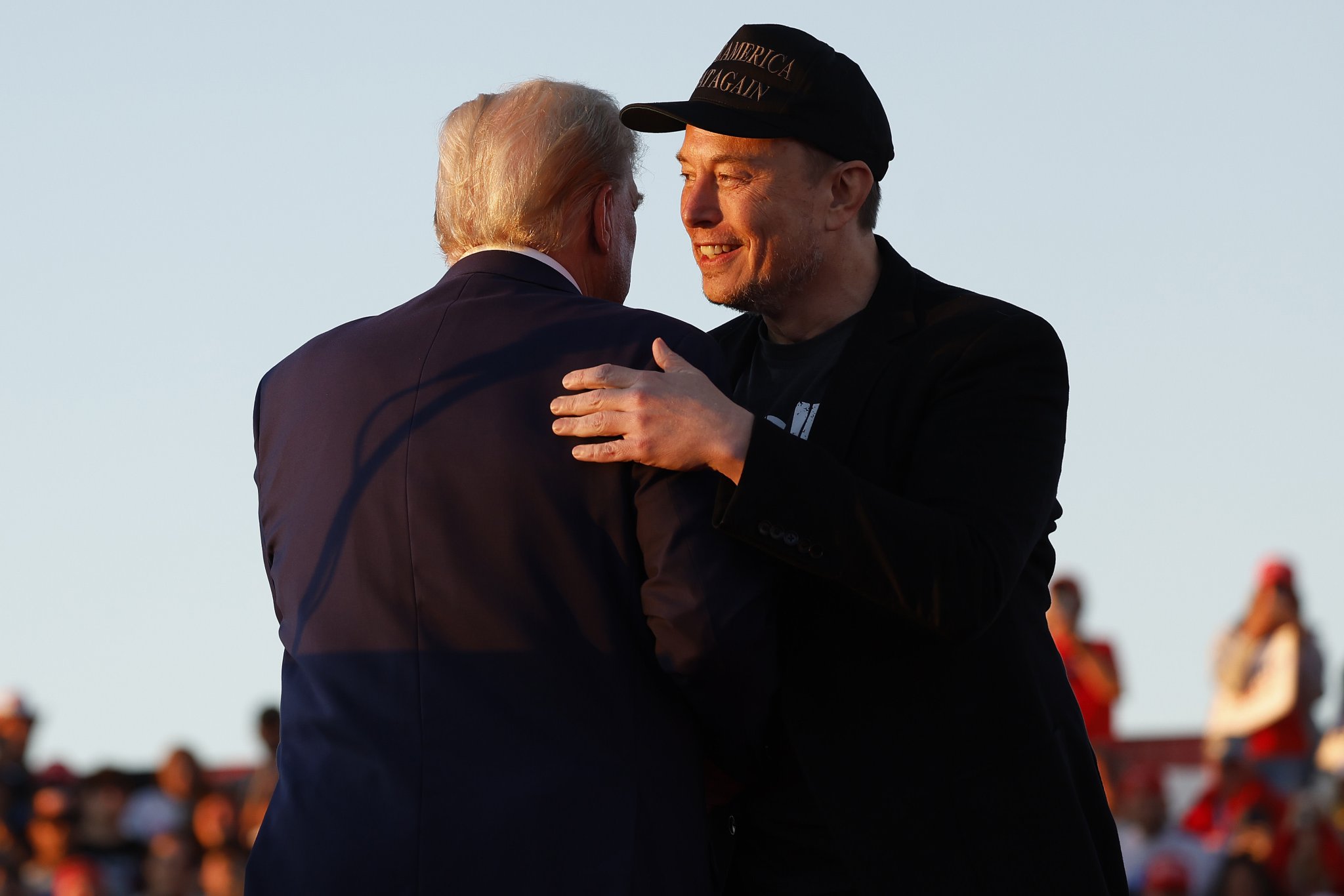
- Public Image of Elon Musk: Musk’s controversial public statements and actions have contributed to an increasingly negative perception of the Tesla brand. This growing distaste for Musk himself could be influencing consumer decisions.
- Competition: As more automakers enter the EV market with improved offerings, Tesla’s unique appeal is diminished. Brands like Ford, Volkswagen, and Rivian are emerging with their own competitive electric models, attracting attention from consumers who may have previously favored Tesla.
The evolving landscape of the EV market, coupled with shifting consumer perceptions, poses new challenges for Tesla as it seeks to maintain its pioneering position. With the increasing range of alternative options, the company must address these concerns proactively to win back the trust of potential buyers.
As consumer attitudes continue to evolve, several key factors contribute to the changing perception of Tesla. One prominent consideration is the impact of quality issues that have surfaced over the past few years. Reports of manufacturing defects and software glitches have raised alarms among potential buyers. Some consumers have encountered unexpected problems with their vehicles shortly after purchase, leading to growing concerns about Tesla’s reliability. These experiences have prompted those contemplating a Tesla purchase to think twice and seek alternatives.
Another significant element influencing consumer perception is the public image of Elon Musk. CEO Musk’s often polarizing statements and actions have drawn criticism and divided public opinion. From provocative tweets to controversial business decisions, Musk’s behavior sometimes overshadows the innovations of Tesla as a company. This perception of the brand being intertwined with their leader can deter potential buyers who may not support his approach or philosophies. Consequently, dissatisfaction with Musk may inadvertently extend to Tesla itself, as consumers associate the vehicle with the man at its helm.
Furthermore, the landscape of the EV market is becoming increasingly competitive. As traditional automakers and new entrants ramp up their electric vehicle production, competition threatens Tesla’s previous monopoly. Companies like Ford, which have launched successful models such as the Mustang Mach-E, alongside Volkswagen’s ID.4 and Rivian’s R1T, are garnering attention for their own innovative technologies and features. As these brands enhance their offerings, consumers become more aware of the variety available and may opt for alternatives that align with their preferences.
Given these dynamics, the challenge for Tesla is not just to innovate but also to actively listen to consumer feedback while addressing the concerns that have marred its reputation. The evolving perception of plausible competitors, combined with the scrutiny of Musk’s personal brand, highlights the necessity for Tesla to reinforce its commitment to quality and customer satisfaction.
Click Here to read the full story
