

Tesla is facing a variety of challenges that are beginning to significantly impact its business performance. Sales figures have been less than stellar lately, raising concerns among investors and analysts alike. The company has been struggling to maintain its earlier growth trajectory, and several factors are contributing to this decline.
One major issue is increasing competition in the electric vehicle (EV) market. As traditional auto manufacturers ramp up their EV offerings, Tesla is no longer the only player in the game. Companies like Ford and General Motors have launched their own models which are gaining traction among consumers. In fact, in the first half of 2023, Ford reported a 70% increase in its EV sales, making it a serious competitor.
Moreover, production and supply chain challenges have not abated for Tesla. The global semiconductor shortage continues to affect production rates, and with rising costs for raw materials, margins are tightening. In the second quarter of 2023, Tesla’s profitability fell to 12% from 15% the previous year, highlighting the strain these factors pose on its financial health.
In response to competition and higher costs, Tesla has implemented price cuts across its model lineup multiple times in 2023. While these cuts have stimulated sales to some degree, they also raise questions about Tesla’s long-term pricing strategy and its ability to sustain profitability.
Furthermore, regulatory scrutiny has intensified, particularly regarding safety and environmental issues. As more jurisdictions implement stricter EV regulations, Tesla faces additional hurdles that could impede its growth.
Tesla is at a crossroads, encountering formidable challenges that require strategic adjustments to navigate the evolving landscape of the electric vehicle market.
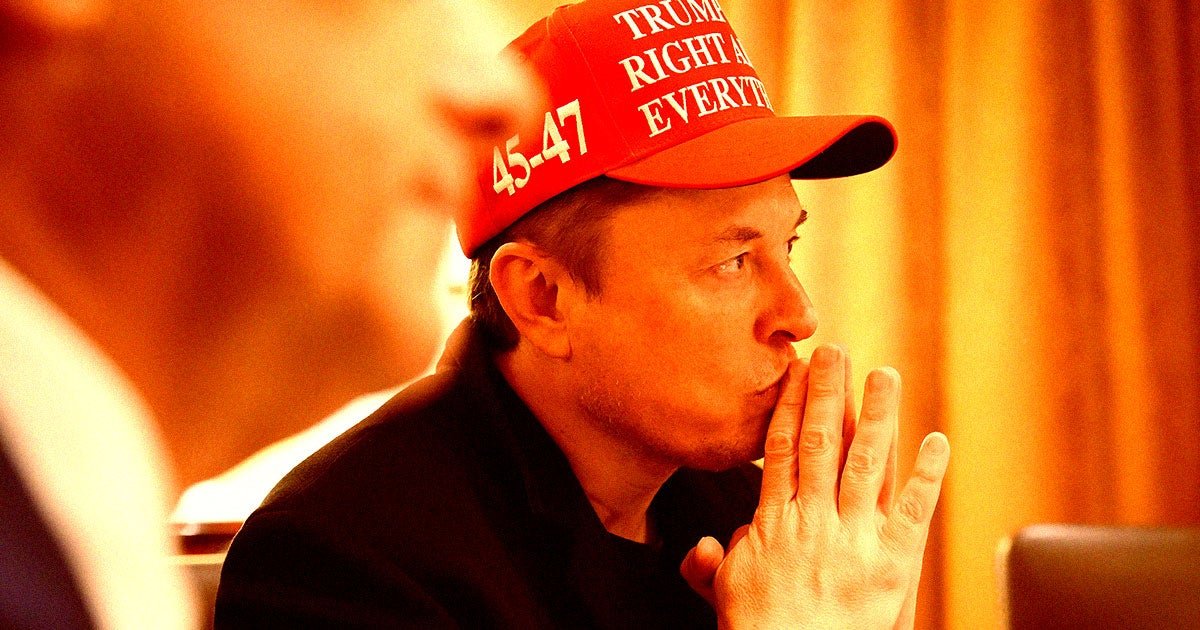
Musk’s behavior and public statements have notably influenced Tesla’s brand perception and stock performance. As the face of the company, his actions resonate not just within the walls of Tesla, but also with potential customers, investors, and the broader market. For instance, his frequent use of social media, especially Twitter, has often stirred controversy, leading to market fluctuations that can undermine investor confidence. Key moments, such as the infamous “funding secured” tweet in 2018, led to SEC scrutiny and a series of legal repercussions that raised questions about governance within the company.
Moreover, Musk’s involvement in various other ventures—such as SpaceX and his recent acquisition of Twitter—diverts attention and resources away from Tesla. Many analysts worry that as Musk juggles multiple high-profile commitments, the focus and innovation that propelled Tesla to its early successes may suffer. This perception was amplified when Musk was seen participating in high-profile events unrelated to Tesla, leading to questions about his commitment to delivering on production goals and addressing the company’s pressing challenges.
Investors have also begun to express concerns over Musk’s erratic behavior, which can lead to unpredictable stock performance. A single tweet can send Tesla’s share prices soaring or plummeting, creating an environment of volatility that investors may find unsettling. As a result, some stockholders are beginning to call for a more traditional leadership structure, where decision-making is less dependent on the whims of a single individual.
The ramifications of Musk’s actions are palpable in the investor community. Reportedly, major investment firms have begun to reassess their positions on Tesla, citing the need for a leadership team that can stabilize the brand’s perception and restore investor confidence. In recent months, conversations around leadership succession and the need for a more diversified executive team have emerged, suggesting that shareholders are looking for a more sustainable approach to governance.
Additionally, Musk’s public persona at times clashes with the image of sustainability and innovation that Tesla strives to project. For example, as discussions around climate change grow more urgent, some of his comments have been perceived as dismissive of serious environmental concerns. This detachment could alienate eco-conscious consumers who have been staunch advocates of electric vehicles and Tesla’s mission.
The interplay between Musk’s unpredictable behavior and Tesla’s business performance creates a complex dynamic that the company must navigate carefully. In a marketplace increasingly sensitive to corporate governance and ethical leadership, Musk’s personal brand is becoming both an asset and a liability. The challenge lies in harmonizing this brand with the company’s long-term vision for sustainable growth in a highly competitive electric vehicle market.
Click Here to read the full story
